A little preparation makes the first trip to Makarska a much better one. This is a practical guide, written from the ground — the questions we hear most often from guests before they arrive, answered honestly and without filler.
Last updated · November 2025
Where is Makarska?
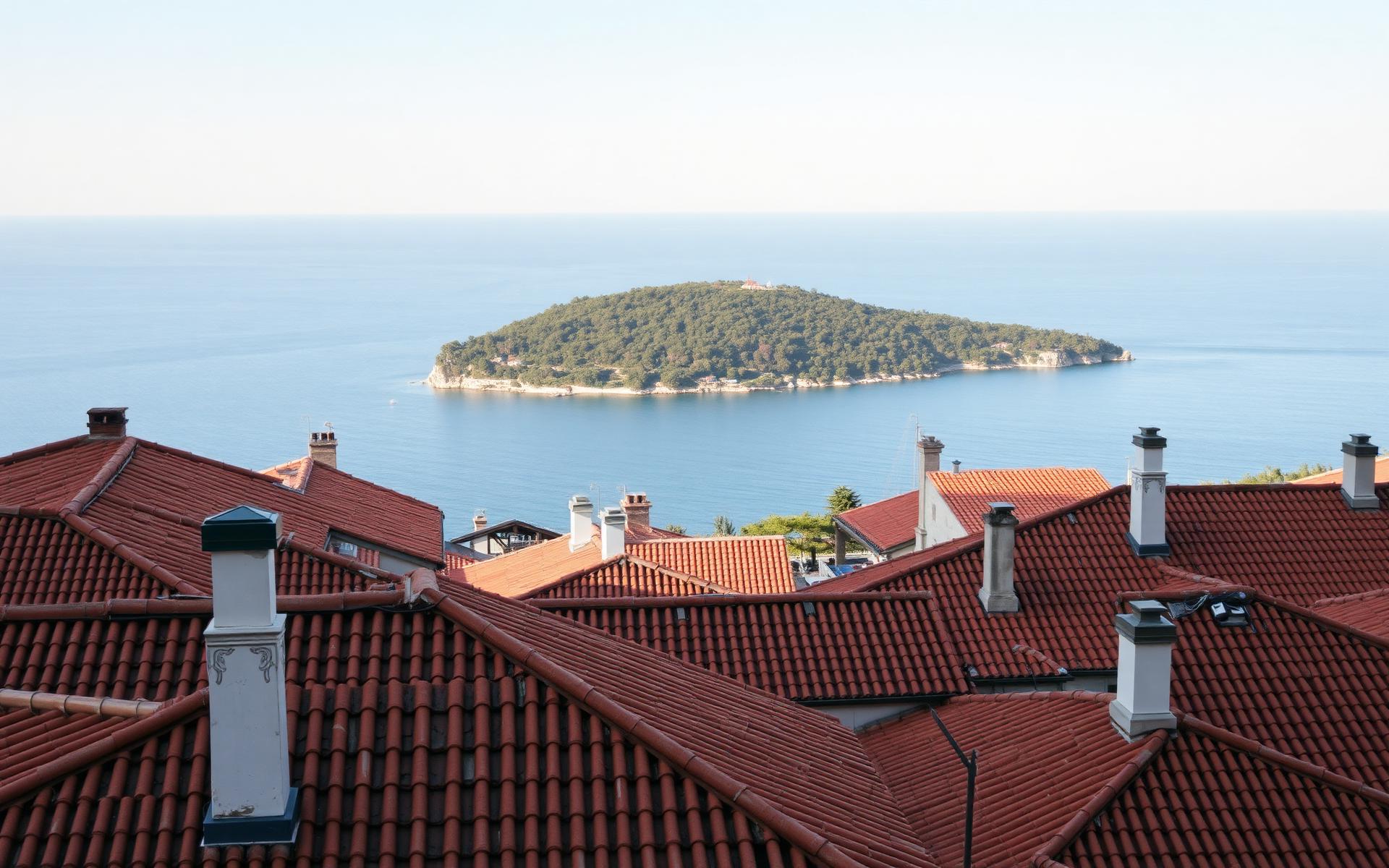
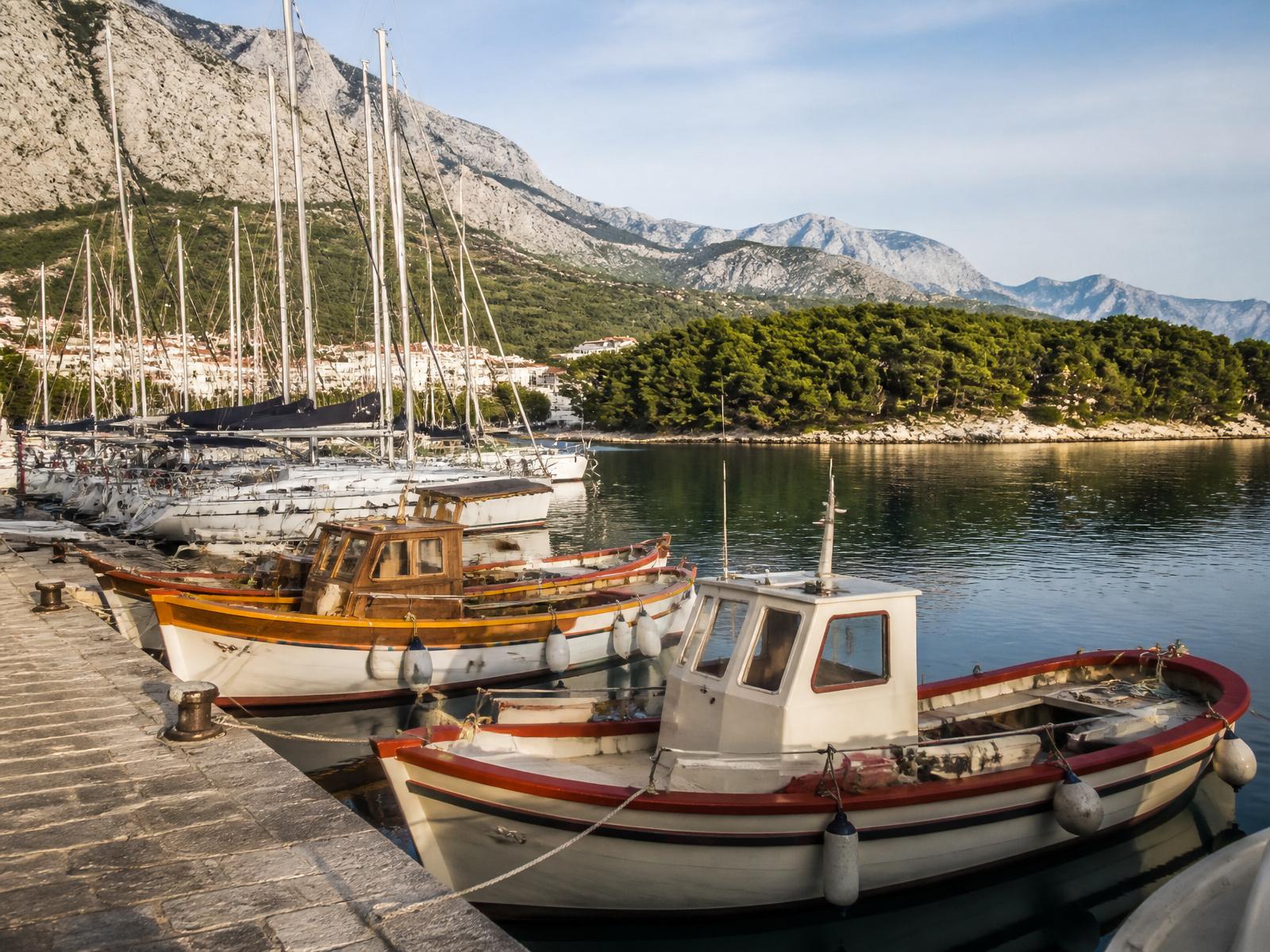
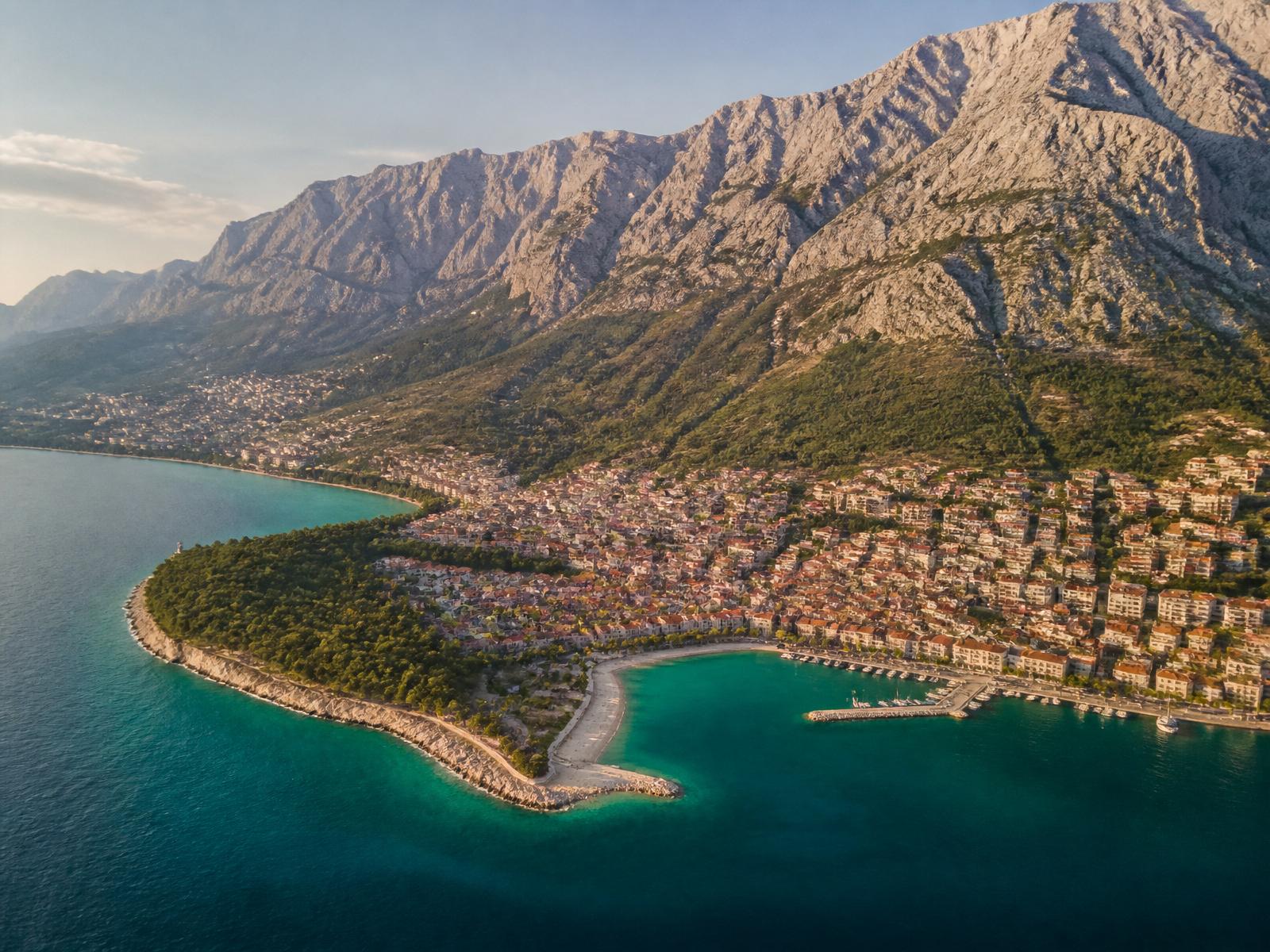
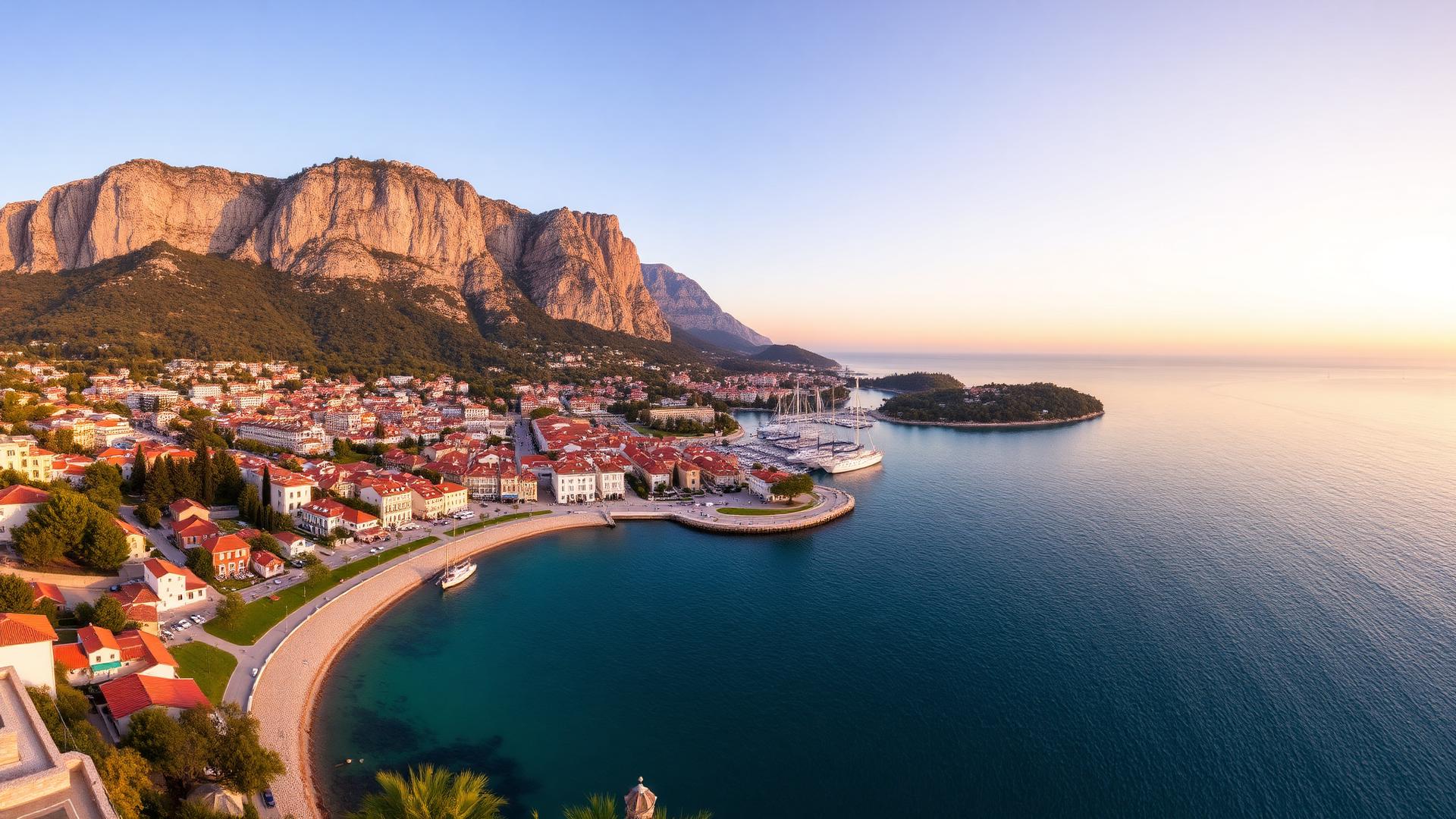
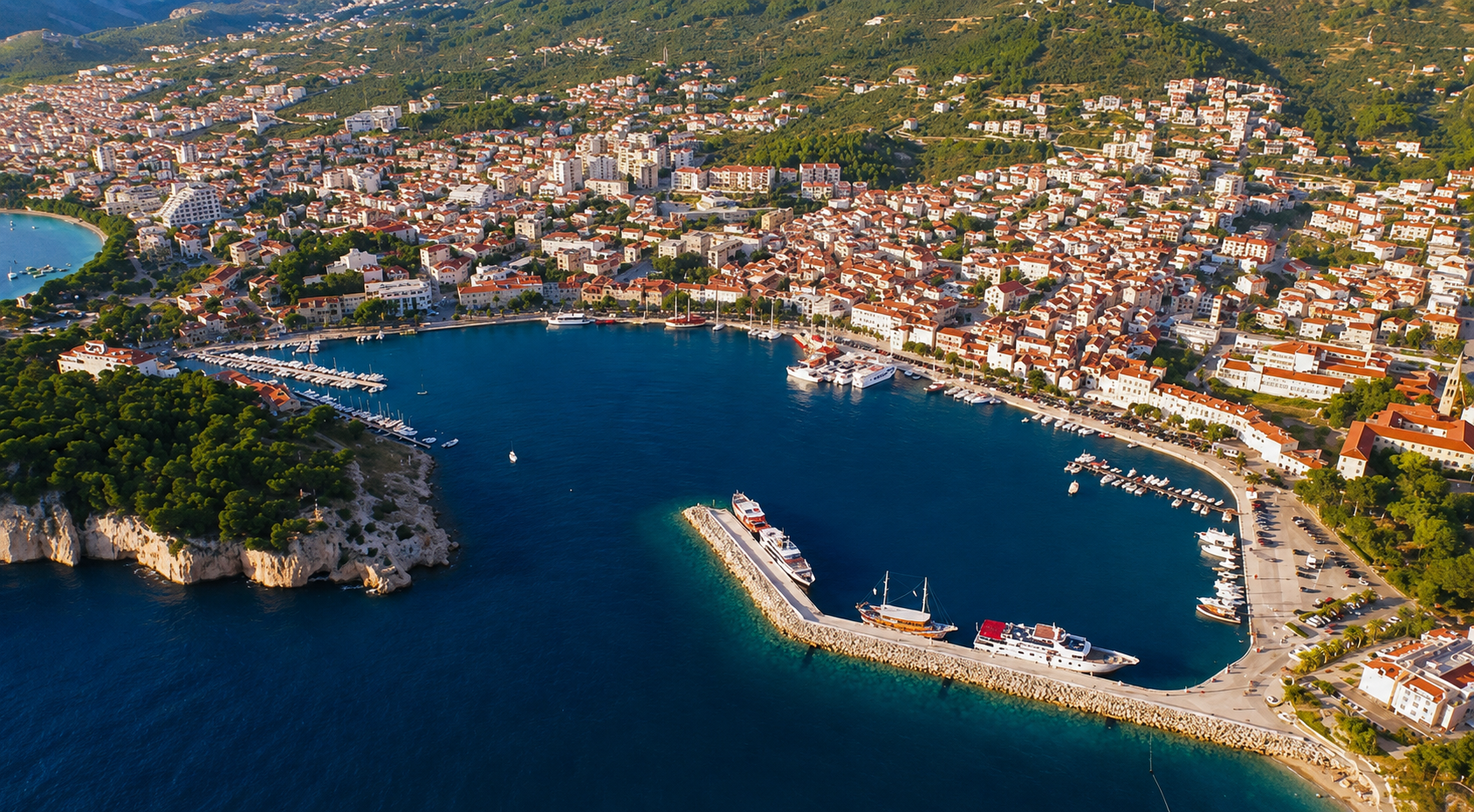
Makarska is a town on the central Dalmatian coast of Croatia, roughly halfway between Split and Dubrovnik. The town sits on a small natural harbour, sheltered by the Osejava peninsula on one side and the Biokovo mountain on the other.
The nearest airport is Split, about an hour and fifteen minutes north by car. Dubrovnik airport is around two and a half hours south. Both are well connected across Europe, and both are a straightforward drive down the coastal highway.
Getting around Makarska
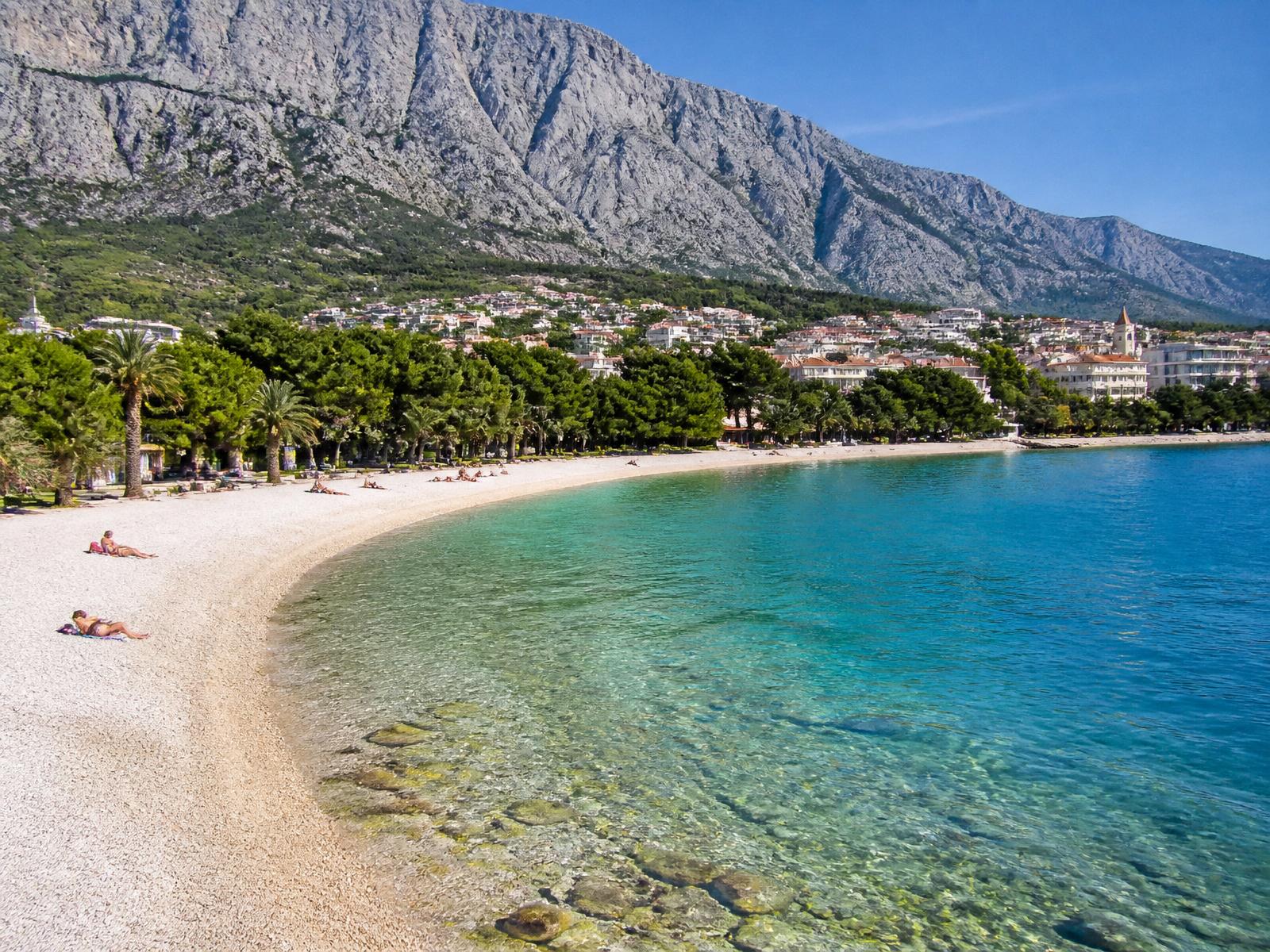
Makarska is small and easy to walk. The Old Town, the marina, the promenade and the main beach are all within fifteen minutes of each other on foot. Most days, you never need the car.
Local buses connect Makarska to the neighbouring villages along the Riviera, and taxis are easy to arrange. A car becomes useful only if you plan to go up to Biokovo or explore further along the coast.
Parking in the town centre is limited — private parking with your accommodation is worth having in July and August.
The best time to visit Makarska
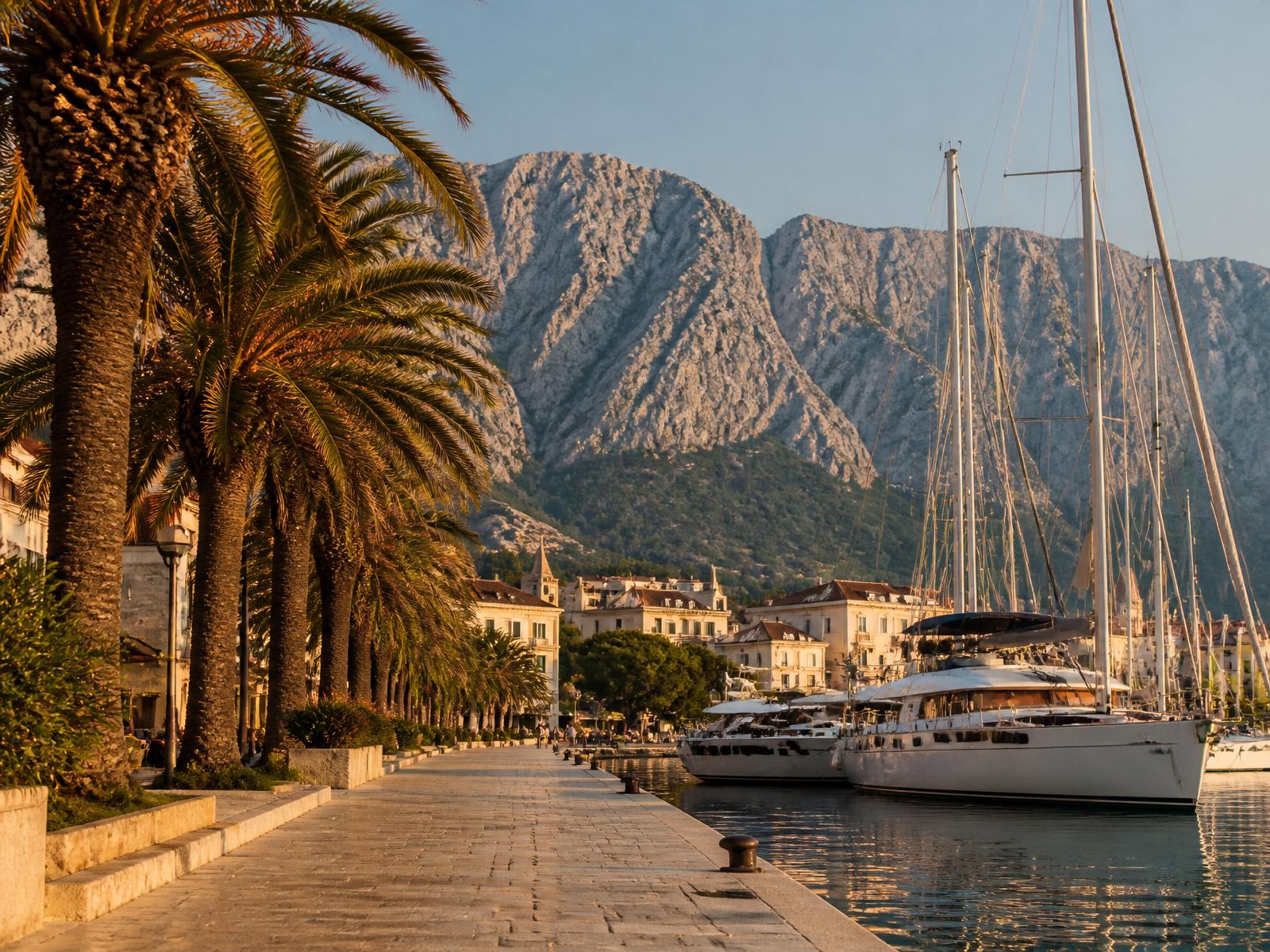
June and September are the sweet spot — warm sea, long days, calm streets, and none of the crowd of high summer. Locals will tell you the same.
July and August are the busiest and warmest months. The town is loudest, the beaches are fullest, and everything is open. If this is your only window, book earlier rather than later.
May and early October are quieter still — the sea is a little cooler, some seasonal restaurants close for the season, but the town is beautifully calm.
What to pack
Water shoes for the pebble beaches — genuinely useful, especially for children. Reef-safe sun cream. A light layer for the evenings; the sea breeze can be cool after sunset even in July.
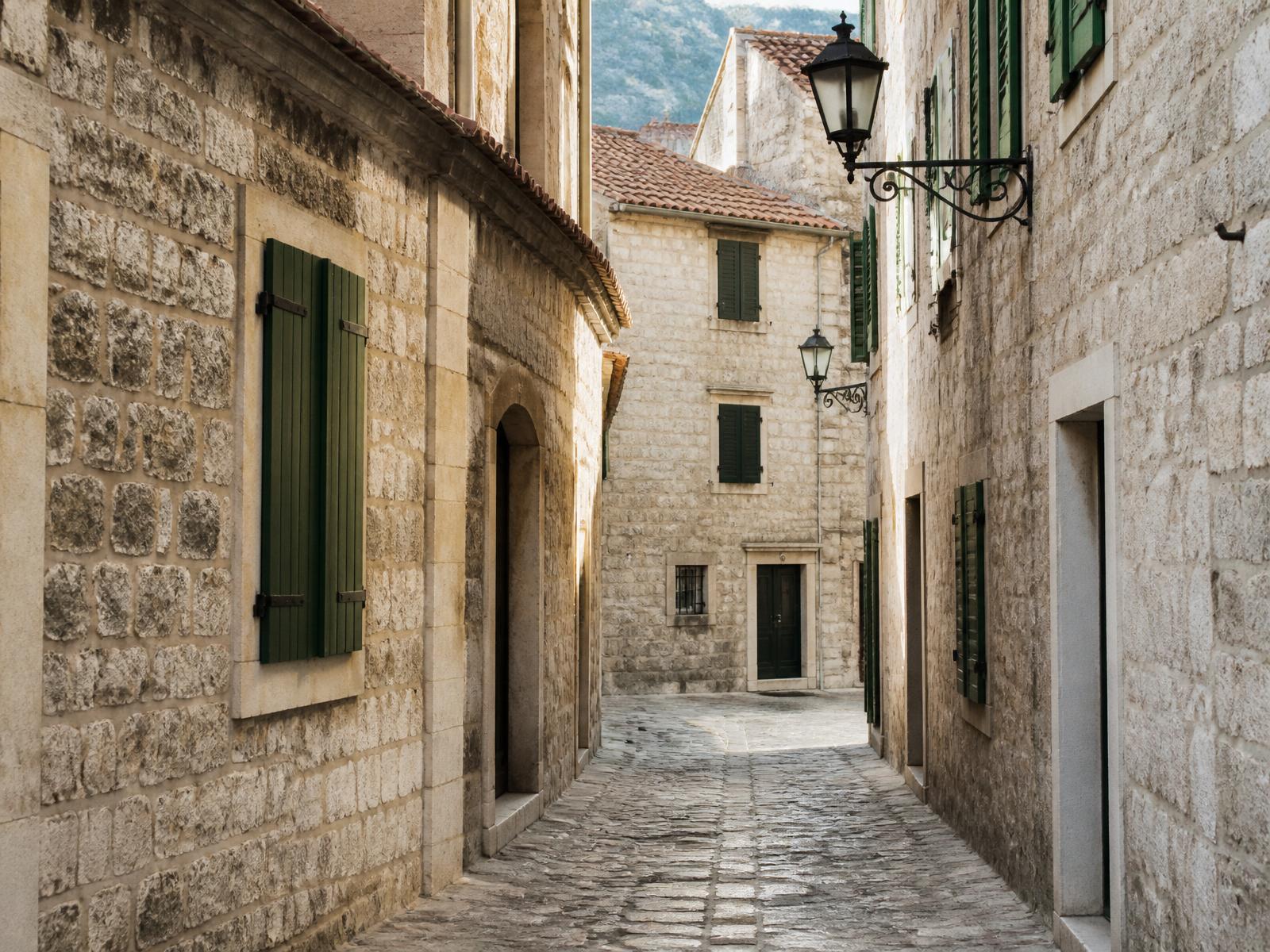
Comfortable shoes for the Old Town and Osejava — the streets are stone, worn smooth, and slippery after summer rain. A reusable water bottle for the walks up Osejava and around the town.
Nothing too formal. Makarska is a relaxed town; a linen shirt and a pair of good sandals is as dressed up as most evenings get.
Useful local tips
Card is accepted almost everywhere, but a small amount of cash is useful — some konobas, market stalls and older taxis are still cash-only.
Croatian is the local language, but almost everyone in the tourism-facing part of town speaks strong English. Italian and German are common too.
Two supermarkets in the centre cover most needs; one small pharmacy just off Kačić Square handles day-to-day requests. The morning market by the harbour is the best place for fruit, vegetables and honey.
Common mistakes first-time visitors make
Arriving at the beach at 11am in July and expecting to find shade — the front row under the pines goes early. Aim for before ten in the morning, or after five in the afternoon.
Underestimating walking distances in the heat. Nothing in Makarska is far, but the middle of the day in August is not the time for a long walk to Nugal. Save the walks for morning or late afternoon.
Not booking dinner in July and August. The best konobas fill up two or three days in advance.
Driving into the Old Town. It is pedestrian — park outside the centre and walk in.
Where to stay on a first visit
Which area suits you depends on the kind of trip you want to have. The Old Town for the atmosphere, the centre near the beach for easy days by the sea, or the quiet hillsides for privacy and space.
The full breakdown is in the pillar guide: Where to Stay in Makarska.
Frequently asked.
Is Makarska expensive?+
Prices in Makarska sit around the middle of the Croatian coast — noticeably lower than Hvar Town or Dubrovnik, and roughly in line with Split. Eating in konobas one or two streets back from the promenade is usually the best value.
Do I need cash in Makarska?+
Card is accepted almost everywhere, but a small amount of cash is useful for some konobas, small markets and older taxis. ATMs are widely available in the centre.
Can I walk everywhere in Makarska?+
Yes. The town centre, the Old Town, the main beach and the promenade are all within fifteen minutes on foot. A car is only useful for Biokovo and for day trips further along the coast.
Is Makarska safe?+
Yes. Croatia in general — and small coastal towns like Makarska in particular — are considered very safe for travellers. Ordinary caution with valuables on the beach is enough.
Is English widely spoken in Makarska?+
Yes. Almost everyone in tourism-facing businesses speaks strong English. Italian and German are also common.